


Get out of bed without bracing — Glucosamine 1,500mg
Glucosamine 1,500mg + Chondroitin 800mg — the clinical joint duo, at the dose used in NIH-funded trials.
Spend 400 Ft more to get FREE shipping!

📦 Ships within 1–2 business days
🌍Tracked worldwide
🔒 Secure checkout
⭐ Trusted by 12,500+
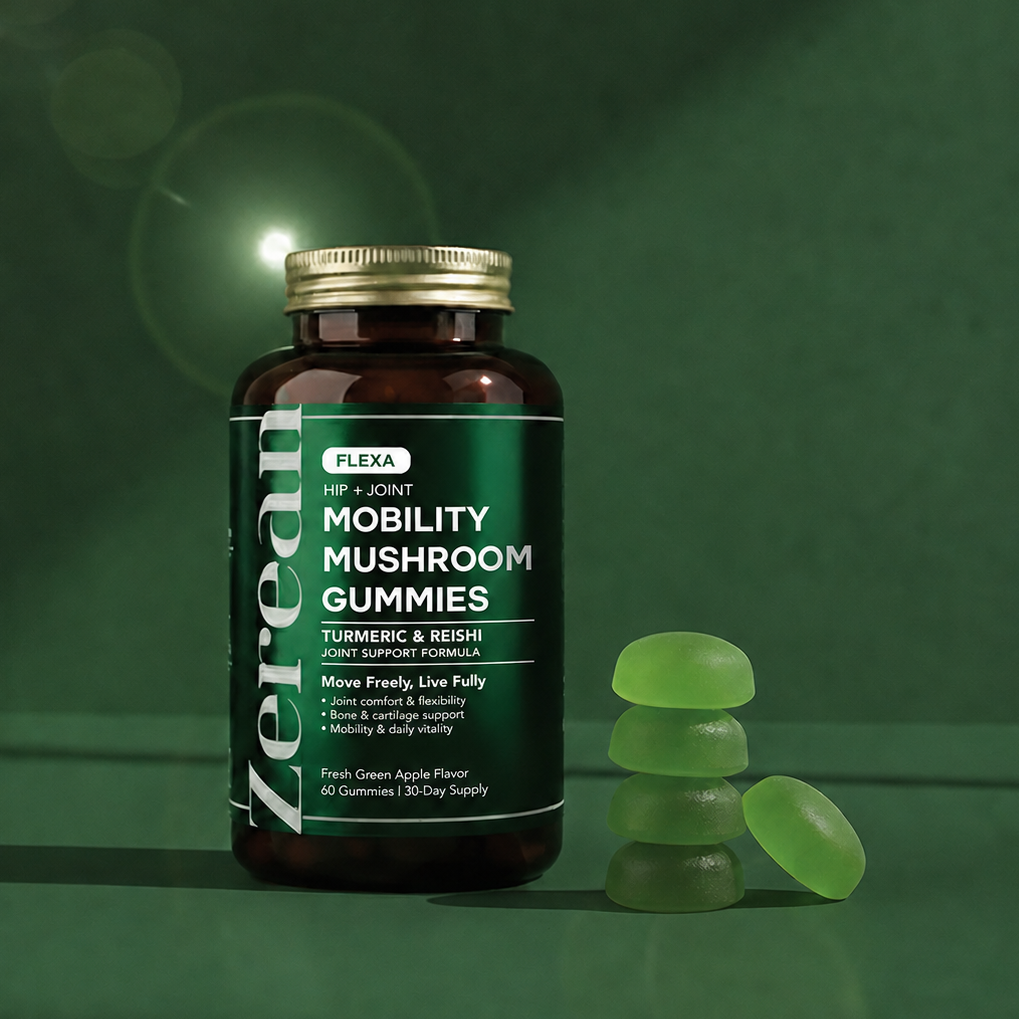
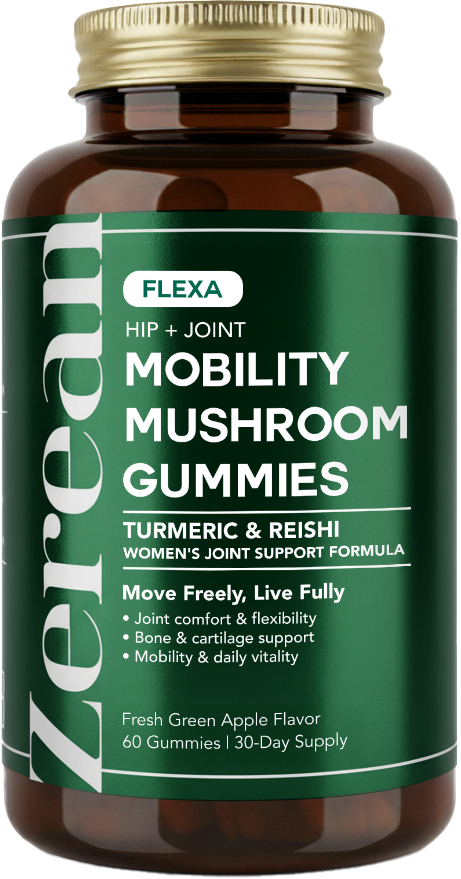
60 Gummies | 1 Month Supply
Made with USA Standard, GMP Compliant
A difference in 2 weeks. Real change by week 6.
For the stiff hips, achy knees, and morning hands
The only Mushroom + Turmeric joint gummy — does what other joint products miss
Glucosamine 1,500mg — the dose used in the NIH-funded GAIT trial.
Couldn't load pickup availability
⭐ 4.74 from 470+ verified reviews



Trusted by 12,500+ customers
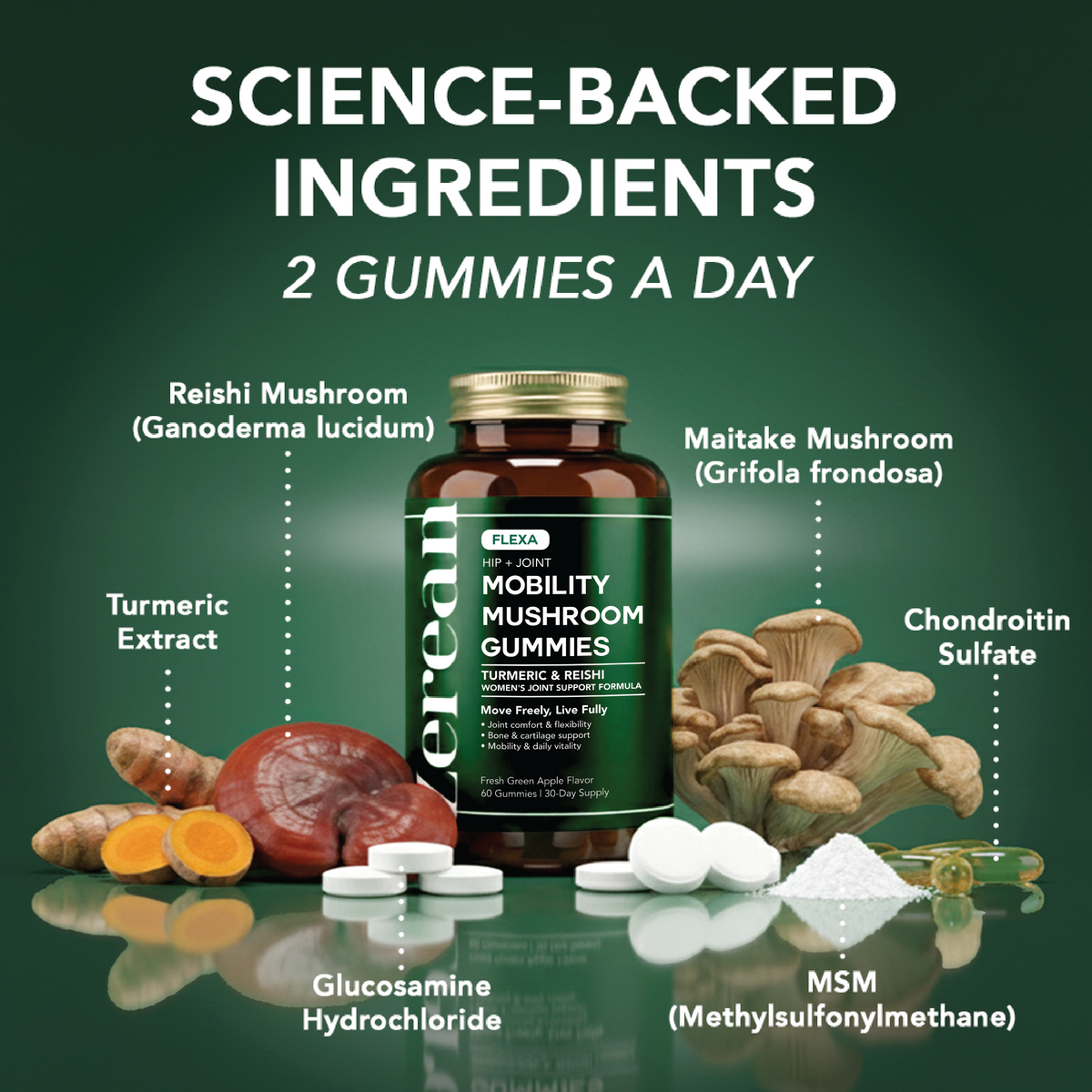
Many feel a difference in 2 weeks. Eight ingredients — the clinically-studied joint duo, the only mushroom + turmeric combination, and the bone support most miss.
Glucosamine 1,500mg + Chondroitin 800mg — the clinical joint duo, at the dose used in NIH-funded trials.
MSM 1,000mg — the sulfur compound that supports cartilage maintenance and joint flexibility.
Turmeric 200mg with Reishi and Maitake — the only joint gummy with this mushroom + turmeric combination, designed to address inflammation alongside the joint duo.
Vitamin D3 2,000 IU with Calcium — bone support paired with the joint formula, because joints and bones share the same wear.
Glucosamine 1,500mg + Chondroitin 800mg — the clinical joint duo, at the dose used in NIH-funded trials.
MSM 1,000mg — the sulfur compound that supports cartilage maintenance and joint flexibility.
Turmeric 200mg with Reishi and Maitake — the only joint gummy with this mushroom + turmeric combination, designed to address inflammation alongside the joint duo.
Vitamin D3 2,000 IU with Calcium — bone support paired with the joint formula, because joints and bones share the same wear.
Flexa pairs it with Reishi so your body can actually absorb it — up to 99X more than turmeric alone.
Based on ingredient absorption studies, not this specific product.


Same gummy. Your joints actually get it.


12,500+ customers trust Zerean for the joint comfort, mobility, and long-term wear that comes with staying active.
 BEFORE
 AFTER
AFTER
My feet were so swollen I couldn't fit into any of my shoes. Doctor said it was inflammation from hormonal changes. I was skeptical about another supplement, but look at the difference — I'm back in my favorite sandals!
 BEFORE
 AFTER
AFTER
I didn't recognize my own hands anymore. Swollen fingers, painful joints, couldn't even hold a pen properly. Everyone said it was just arthritis. But it started right when menopause hit. Week 5 on Flexa and look at the difference — I'm knitting again!
 BEFORE
 AFTER
AFTER
See that swelling? That was my life for 2 years. Ice packs, compression sleeves, nothing worked. My joints were holding onto fluid because of the inflammation. Flexa reduced the swelling so much my husband asked if I had it drained!
 BEFORE
 AFTER
AFTER
Look at what inflammation did to my hands. I was embarrassed to show them in public. The pain was unbearable. I'd given up hope until my daughter found Flexa. It took 8 weeks, but the swelling went down more than years of other treatments ever did.
The honest comparison
Most joint products make you choose: an easy gummy that only does one thing, or a complete formula that means a fistful of pills. Flexa is the only one that's both.
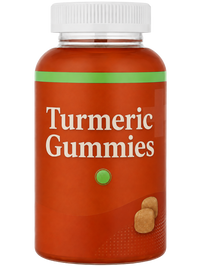 Turmeric gummies Turmeric gummies
|
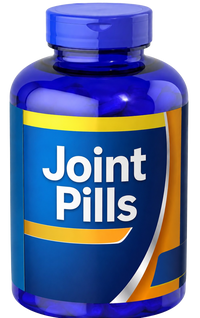 Joint pills Joint pills
|
 Flexa Flexa
|
|
|---|---|---|---|
| Easy gummy, no pills | ✓ | 3-4/day | ✓ |
| Glucosamine + chondroitin + MSM | ✗ | ✓ | ✓ |
| Turmeric for inflammation support | ✓ | some | ✓ |
| Reishi + maitake mushrooms | ✗ | ✗ | ✓ |
| Bone support (D3 + calcium) | ✗ | rare | ✓ |
| Clinical (GAIT-trial) glucosamine dose | ✗ | some | ✓ |
Inside the formula
Eight ingredients — the clinically-studied joint duo at the dose used in NIH-funded trials, the only Mushroom + Turmeric pair in a gummy, and the bone support most joint formulas skip. Ingredients studied at leading institutions.
The most-studied joint ingredient, at the dose used in major joint-health trials. Supports cartilage and joint comfort.
Paired with glucosamine, the duo most studied for joint comfort and cushioning.
A sulfur-containing compound that supports joint flexibility and structure.
Supports the body's natural response to physical stress.
Adaptogenic mushroom — paired with Maitake for the only mushroom + turmeric combination in a joint gummy.
Beta-glucan-rich mushroom traditionally used for immune balance.
Supports calcium absorption and bone health.
Works with Vitamin D3 to support bone strength alongside joint health.








The Flexa timeline
Joint comfort builds gradually — meaningful relief is reported between weeks 4 and 8, with continued benefit on consistent daily use.
Two gummies a day. No scoops, no pills to swallow. Behind the scenes, glucosamine 1,500mg and chondroitin 800mg begin building in the joint tissue — the foundation for everything that follows.
Many people start to feel the cumulative effect. MSM and turmeric pair with reishi and maitake, so joint support and inflammation support start working together.
For many, Flexa becomes something they don't think about — just part of staying in motion. With D3 and calcium supporting bone strength alongside joint support, it's built for how you move years from now.
Joint comfort builds gradually. Many notice a difference around 2 weeks, with meaningful change reported between weeks 4 and 6, and continued benefit on consistent daily use.
Two reasons.
Dose: Flexa uses glucosamine at 1,500mg — the level used in NIH-funded trials, not the under-dosed amounts in many products.
And completeness: Flexa pairs the glucosamine–chondroitin–MSM duo with turmeric, reishi and maitake, and adds D3 + calcium for bone — so it supports the whole joint, not one piece.
Flexa is made from food-grade ingredients and most customers tolerate it well. The most common feedback is positive — easier mornings, more comfortable movement. As with any supplement, if you're on prescription medication (especially blood thinners — Turmeric can interact), pregnant, or breastfeeding, please consult your healthcare provider before starting. Flexa is not suitable for vegans or strict vegetarians, as the MSM is animal-derived.
Flexa is designed to work alongside a daily wellness routine and is generally well-tolerated with most supplements — including Zerean Balance, Luna, and Bloom. If you're on prescription medication, particularly blood thinners (Turmeric may interact) or any medication that affects calcium or Vitamin D absorption, please check with your healthcare provider before starting. We can't advise on specific medication interactions ourselves — that's your doctor's call.
Because the best formula is the one you'll actually take. Flexa delivers clinical-dose ingredients in two gummies a day — no 3-or-4-capsule routine, no horse pills.
Anyone — men and women — who wants to stay active and keep everyday joints (knees, hips, hands) comfortable and mobile. Built for general, daily joint support.
Joint support works best consistently over weeks. Subscribe & save lowers the per-bottle price, the 3-bottle plan covers a full 90-day cycle, and you can pause or cancel anytime.
Flexa is sold here, direct — so it stays fresh and we can stand behind every bottle.
| Bundle | Subscribe & Save | One-time purchase |
|---|---|---|
| 1 bottleRegular price 21.600 Ft | 14.966 Ft Renews every 23 days | 21.600 Ft |
| 2 bottlesRegular price 43.200 Ft | 27.935 Ft 13.968 Ft eachRenews every 7 weeks | 40.319 Ft 20.159 Ft each |
| 3 bottlesRegular price 64.800 Ft | 39.905 Ft 13.302 Ft eachRenews every 10 weeks | 57.594 Ft 19.198 Ft each |
Subscriptions renew automatically until cancelled. Skip, pause or cancel anytime.
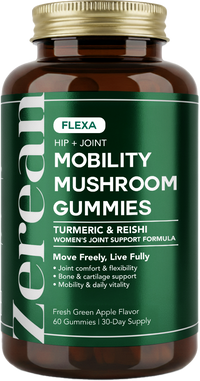
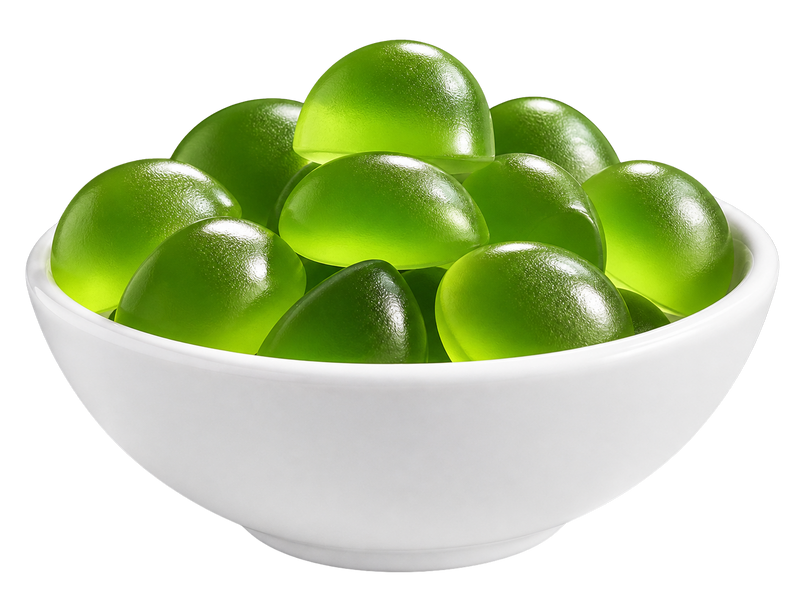
Zerean® Flexa is a daily joint and bone support supplement in a gummy format, with a green apple flavor.
| Ingredient | Amount per serving |
|---|---|
| Glucosamine hydrochloride | 1,500 mg |
| Chondroitin sulfate | 800 mg |
| MSM (methylsulfonylmethane) | 1,000 mg |
| Turmeric extract | 200 mg |
| Vitamin D3 | 50 mcg (2,000 IU) |
| Calcium carbonate | 200 mg |
| Reishi (Ganoderma lucidum) extract | 5 mg |
| Maitake (Grifola frondosa) extract | 5 mg |
Amounts as printed in the “Each Serving Contains” panel of the Flexa label. The Supplement Facts panel on your bottle is the complete reference for amounts, other ingredients and allergen information.
Take 2 gummies daily, with or without food, morning or evening. Store in a cool, dry place.
Follow the directions on your bottle. If you take medication, have a medical condition, are pregnant or breastfeeding, ask a qualified healthcare professional before use.
Questions about ingredients, orders or subscriptions? Visit our frequently asked questions.
These statements have not been evaluated by the Food and Drug Administration. This product is not intended to diagnose, treat, cure, or prevent any disease.